PRP Treatments
Call 931-526-9518 to schedule a consultation.
PRP Treatments
Call 931-526-9518 to schedule a consultation.
Harness your body’s own healing potential.
Platelet-rich plasma (PRP) therapy is a regenerative medicine treatment that uses a concentrated portion of your own blood to support the body’s natural healing response. PRP may be considered for certain orthopedic conditions involving joints, tendons, ligaments, and other musculoskeletal tissues.
At Tier 1 Institute, our orthopedic specialists evaluate each patient individually to determine whether PRP may be an appropriate treatment option.
PRP stands for platelet-rich plasma. Platelets are components of your blood that play an important role in the body’s natural healing processes.
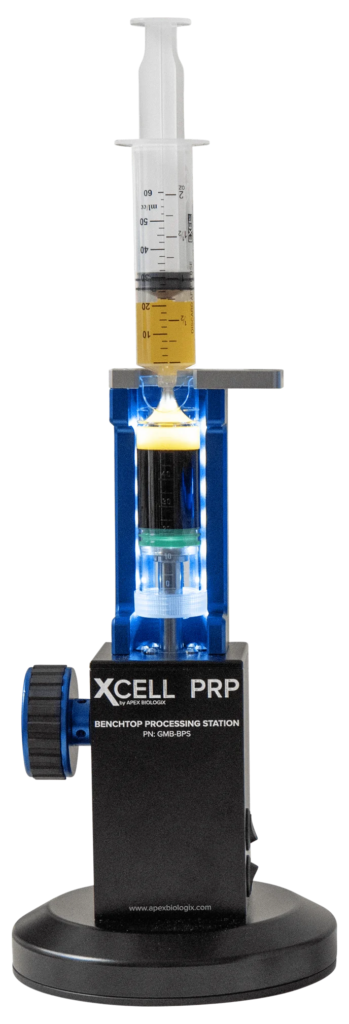
During a PRP procedure, your blood is drawn and processed using a specialized system to concentrate platelets and other blood components. The resulting PRP preparation is then injected into the targeted area.
Because PRP is derived from your own blood, it is considered an autologous treatment.
PRP is designed to deliver a concentrated preparation of platelets to a specific area of the body.
Platelets contain numerous biologically active substances involved in normal tissue repair. Researchers continue to study how these substances may influence inflammation, tissue healing, and the local healing environment.
PRP does not work the same way for every patient or every condition. Your physician will determine whether PRP is appropriate based on your diagnosis, symptoms, imaging, medical history, and previous treatments.
PRP may be considered for a variety of orthopedic, sports medicine, and spine conditions, including:
PRP is not appropriate for every condition. Your physician will discuss whether the available evidence and your individual circumstances support considering PRP.
Your physician will first evaluate your condition and determine whether PRP may be appropriate. This may include a physical examination and review of imaging such as X-rays, MRI, or ultrasound.
Blood is drawn from your arm, similar to a routine blood draw.
The blood is placed into a specialized processing system designed to separate and concentrate the platelets and other components.
The prepared PRP is injected into the targeted area. Depending on the location and procedure, ultrasound guidance may be used to help accurately identify the treatment area.
Your physician will provide individualized instructions regarding activity, medications, exercise, and rehabilitation following your procedure.
PRP treatment is generally performed as an outpatient procedure. The appointment may take approximately 30–60 minutes, depending on the treatment area and technique used.
Most patients are able to return home the same day.
Some soreness, swelling, or discomfort at the injection site may occur after treatment. This can vary depending on the area treated and the individual patient.
Your physician will provide specific post-procedure instructions. These may include temporarily modifying certain activities and following a gradual return-to-activity or rehabilitation program.
Do not assume that more activity is better immediately after PRP treatment. Following your physician’s instructions is an important part of your recovery.
The response to PRP varies from patient to patient.
Some patients may notice improvement over several weeks, while others may take longer to experience changes. The underlying condition, severity of the injury, treatment location, and individual healing response can all influence outcomes.
Your physician can discuss what to reasonably expect based on your specific condition.
PRP isn’t a one-size-fits-all treatment.
The decision to use PRP should be based on your specific diagnosis and overall treatment goals. In some cases, physical therapy, medications, activity modification, conventional injections, or surgery may be more appropriate.
Our orthopedic specialists will review your options with you and help determine the treatment approach that best fits your needs.
Interested in learning whether PRP may be an option for you?
Schedule an appointment with our team for a personalized evaluation. CAll today, 931-526-9518.
Yes. PRP is prepared from your own blood.
No. PRP and stem cell therapies are different types of regenerative medicine. PRP primarily uses concentrated platelets and plasma from your blood and does not constitute a stem cell treatment.
Patients may experience some discomfort during the blood draw and injection. Temporary soreness or discomfort after the procedure is also possible.
The number of treatments varies by patient and condition. Some patients may undergo a single treatment, while others may be considered for additional treatments.
Coverage varies by insurance plan and procedure. Some PRP treatments may not be covered and may be considered self-pay. Our team can discuss pricing and potential insurance coverage with you before treatment.
No. PRP does not guarantee a particular outcome. Research is ongoing, and results vary depending on the patient, condition, and treatment approach.
At Tier 1 Institute, we believe regenerative medicine should be approached thoughtfully and as part of a comprehensive orthopedic treatment plan.
Our goal is to determine whether PRP is appropriate for you—not simply whether PRP is available.
Schedule a consultation today to learn more about your treatment options.